Emi Taya, from Fleur de Seul, has invited me to answer a Vegetable Meme. It was originally written in German, but as it would take me a lot of time to put a decent sentence together in that language, I preferred to translate everything into English. (And my English isn’t that great either!) すみません、たやさん!
(Emi Taya do blog Fleur de Seul convidou-me a responder um questionário sobre vegetais.)
1. Do you like vegetables? (Você gosta de vegetais?)
Sure! (Claro!)
2. Do you have a favorite vegetable? (Você tem um vegetal favorito?)
None I can recall, but I eat tomatoes a lot. (Não me lembro de nenhum, mas como tomates com freqüência.)
3. Is there any vegetable that you think (or know) most people don’t like, but that you find great? (Há algum vegetal que você ache (ou saiba) que as pessoas não apreciam, mas de que você goste muito?)
Beetroots. (Beterrabas.)
Why? (Por quê?)
Well, my husband doesn’t like beetroot and I know a lot o people that don’t like it. I think that parents are so eager to make their children love this vegetable that most of them end up hating it. (Meu marido não gosta de beterrabas e conheço muitas pessoas que não gostam desse vegetal. Acho que os pais tentam fazer os filhos gostarem tanto de beterraba que conseguem exatamente o oposto. )
4. Is there any vegetable that you think (or know) most people find great, but that you don’t love that much? Which experience did you have with it? (Há algum vegetal que você ache (ou saiba) que muitos acham ótimo, mas de que você não goste? Qual sua experiência com ele?)
Potatoes. Yes, believe it or not I don’t love potatoes that much. I always pass the fries or the mashed potatoes when I eat out, they don't have a particular flavour and taste just like whatever is beside them on the plate.
And does anyone know jiló? (Picture above) It's a bitter green vegetable I can't eat, but which some people like. My father use to grill and eat it with misso paste. (Batatas. Acredite ou não, eu não gosto muito de batatas. Não como batatas fritas ou purê quando como fora. Elas não tem um sabor particular. Alguém conhece jiló? É um vegetal verde e amargo que não consigo comer, mas que algumas pessoas apreciam. Meu pai costuma grelhá-lo e comê-lo com misô.)
5. Which kinds of vegetable are unusual to you? (Que tipos de vegetais são incomuns para você?)
Asparagus isn’t a common vegetable around here. Is rhubarb a vegetable? If it is, I have never eaten it in my whole life. (Aspargo não é um vegetal comum por aqui. Ruibarbo é um vegetal? Se for, eu nunca o comi.)
6. Name a couple of vegetables that you cook or eat. (Nomeie alguns vegetais que você cozinhe ou coma.)
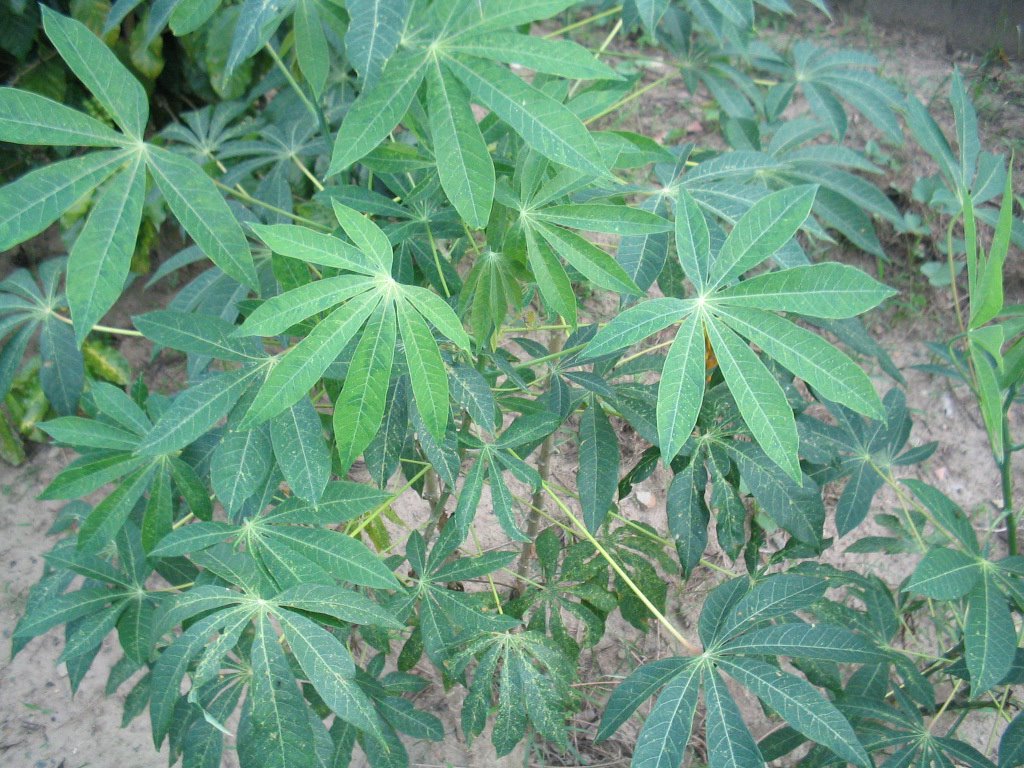
Tomatoes, carrots, zucchinis, eggplants, onions, pumpkins, cassavas… (tomates, cenouras, zucchinis, berinjelas, cebolas, abóboras, mandiocas...)
7. Which vegetables do you want to know better and bring into you kitchen more frequently? (Quais vegetais você deseja conhecer melhor ou trazer para sua cozinha com mais freqüência?)
Asparagus and fennel. (Aspargos e erva-doce)
8. Some thoughts about vegetables. (Algumas considerações sobre vegetais.)
I can’t live without vegetables. Brazilians use to eat rice, beans and some protein (meat or egg), but I’m not a rice and beans girl, I prefer to eat lots of vegetables instead. (Não consigo viver sem vegetais. Os brasileiros comem arroz, feijão e alguma proteína (carne ou ovo), mas eu não gosto muito desta combinação, prefiro comer muitos vegetais no lugar do arroz e feijão.)
9. Name a great cookbook on vegetables. (Nomeie um grande livro de culinária sobre vegetais)
I really would like to read Maria de Lourdes Modesto’s cookbook “Cozinhar com vegetais” (Cooking with vegetables) that I saw on Elvira’s blog. (Gostaria muito de ler o livro de Maria de Lourdes Modesto, Cozinhar com vegetais, que vi no blog da Elvira.)